When your home receives new windows, it’s important to thoroughly inspect them to ensure they were installed to the highest standards. Whether you just had a casement window installed, invested in energy-efficient double hung windows, or upgraded to a stylish sliding window, you want every window to function properly and help protect your property against seasonal weather changes.
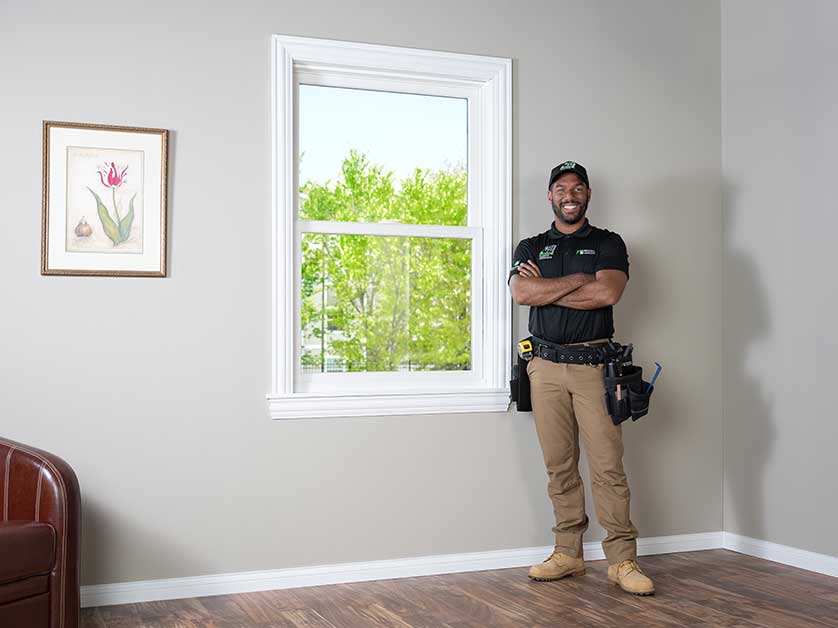
Visual Inspection for Proper Alignment and Seals
Begin by examining each window frame, sash, and glass panel. Confirm that your window units are level, sit properly within the opening, and are free from warping. High-quality replacement windows, such as those offered through Renewal by Andersen® of Wyoming’s window replacement services, are custom-fit to the size of your opening, but minor issues can still arise:
-
Look for even reveals, with no large gaps between the sash and the frame.
-
Inspect the perimeter caulking for a smooth, continuous, and bubble-free application.
-
Check that trim and finishing details are neatly installed and undamaged.
Casement windows benefit from an airtight seal that helps block dust and strong wind gusts. Run your finger around the edge to ensure the weatherstripping is firmly attached and engages properly when the window is closed.
Functionality Tests for Smooth Operation
Each window style should open, close, and lock without resistance. Test your double hung windows by sliding both the upper and lower sashes. They should move freely but remain securely in place when partially open. Casement windows should swing open smoothly on their hinges, with the crank handle or lever operating without binding. For a sliding window, the sash should glide along its track with minimal effort. Confirm that all hardware, locks, and handles are properly affixed and function as intended.
Air and Water Leak Check
With fluctuating weather conditions and strong winds, proper sealing performance is essential. Evaluate your windows for air infiltration and water resistance:
-
On a windy day, place your hand near the frame edges to feel for drafts.
-
Use a damp cloth to check for any water seepage after a rainstorm, focusing on the seams and lower corners.
-
Examine the interior window sill and nearby trim for signs of moisture or condensation after inclement weather.
If you notice any air leaks or water entry, these issues should be addressed promptly, as proper window installation helps support lasting performance and energy efficiency.
Glass Quality and Energy Efficiency
Energy efficiency is an important consideration for homeowners, making it essential to inspect the glass itself. Examine your new window units for dual-pane integrity and factory labeling that indicates Low-E or ENERGY STAR® features. Look closely for defects such as scratches, cracked panes, or haziness. For windows with interior blinds or grilles, verify that they move smoothly and are properly sealed between the panes.
Seasonal Considerations for Your Home
Seasonal weather can be unpredictable, with cold snaps and strong winds alternating with sunny, mild days. If you choose a sliding window or a new casement window, make sure the windows remain secure and draft-free throughout the year. If you installed double hung windows before last winter, confirm that ice buildup, condensation, or expansion has not caused operational issues. Seasonal inspections following installation are important for identifying minor concerns before they develop into larger problems.
Contact Your Local Professionals
If you find any concerns or have questions while inspecting your new windows, professional assistance is available. Our team at Renewal by Andersen of Wyoming serves homeowners in Evansville, WY, providing tailored solutions, window repairs, and comprehensive post-installation support for various window styles. Whenever you need help ensuring your new windows provide reliable comfort, performance, and energy efficiency, reach out to us for guidance. Give us a call at (307) 472-2199 or fill out our contact form to get started.